
Home Services Marketing · Relentless Digital
Three and a Half Years Without Running a Single Ad
Josh Crouch built Relentless Digital from a side hustle he ran on his lunch breaks into an agency serving 102 clients in the HVAC, plumbing and electrical space, entirely on organic content, before a growth plateau forced him to change the model.
Josh Crouch with Josh Nelson, live. Full interview, about 61 minutes.
Read the full interview transcript
Full transcript of Josh Nelson’s interview with Josh Crouch. Lightly edited for readability.
Josh Nelson: Hello, and welcome to the Seven Figure Agency podcast. We are interviewing highly successful digital marketing agencies from across the country on how they've grown and scaled their digital marketing agency. And today I'm super excited to have Josh Crouch with us from Relentless Digital. Josh has grown his agency over less than, I guess less than five years to multiple seven figures serving the HVAC, plumbing, and electrical niche. He's a wealth of knowledge on growing an agency, delivering world-class results, and he's probably had to stumble through some challenges as well. So if you're excited, give me a yes in the comments. Josh, thanks so much for being with us today.
Josh Crouch: Oh, thanks for having me. I haven't struggled at all.
Josh Nelson: It's been- No, none of us have, right?
Josh Crouch: It's always easy-peasy. It's been, it's been gravy.
Josh Nelson: So Josh, I guess the best place to start is just kinda tell us, we know you're running multiple seven figures today, but kind of give us the lay of the land. Like how many clients? What's the approximate recurring revenue? What's the size of the operation?
Josh Crouch: Yeah. So as of, end of March, we are at a hundred and two clients, and we are right on that line of about four million in annual recurring revenue just if, without, if we take out the projects and stuff. So we're about probably closer to four and a half, five with projects.
Josh Nelson: So good, man. Nicely done. Congratulations. And you've grown really quickly. T-tell us a little bit about the journey. K-kinda like I know that y-y-you've been in the, in the home services HVAC land for a long time and made the pivot to running your own agency. Kinda tell us a little bit about that journey.
Josh Crouch: Yeah, I mean, honestly, I think that really set me up. Being in the home services space taught me a lot of lessons. I never owned a business there, but I was always kinda like that right-hand person for the individuals I worked for. So operations manager, I've, I've done the sales and marketing, started a branch all by my… You know, a sense, about an hour away from the primary company headquarters where I kinda was on my own. So I had the ability to learn and just take in all of the business lessons that we learned, but without my money. Right. So at the last company I worked at, I worked at three different HVAC companies. The last one I really honed in on the marketing side 'cause… And more so on the local SEO and then the customer retention side, email and text message marketing. And, s- we were part of Best Practice Group. The, you know the group, but you're, you're… Actually, I saw you out at one of their events last year. So I started giving tips in their Best Practices Facebook group, similar to like your Facebook group where a lot of business owners were hanging out and asking questions. I was just giving tips. So just, "Hey, this is what's working for us." I had, some people start reaching out. My first client wasn't even from the US actually. My first client was from Canada, of all places. So I had to try to figure out any different logistical things there. And I didn't know Thaddeus and Evan at the time, so I couldn't ask them any questions about what do I need to know about Canada. But, decided from that point forward, and that was, literally about two and a half weeks before the world flipped upside down, that I was gonna see if I could do this on the side while still t- keeping my job and if I could make a go at it. So that was about four years ago, March first.
Josh Nelson: Amazing, man. So like really fast ascent, you know, in agency land to go to multiple seven figures probably on pace to be around four and a half, five million by the end of the next year or so. Tremendous growth. Y-you know, I usually like to start with asking, you know, how you chose the niche, and it seems like for you kinda naturally had the experience and expertise. But I think for you, I'd love to know is what prompted you to say, "Hey, I've got this stable job working at this HVAC company. I've got this, you know, growing industry that I'm in." What prompted you to say, "Hey, I wanna shift to entrepreneurial, and I wanna shift to running an agency"?
Josh Crouch: Honestly, I think that bug's been there for a long time. I grew up in a small family business with my father. We owned a couple martial arts schools, and I helped him run those and do the marketing and stuff. But we never really got it to the point where it was a business where it was enough for like my sister, myself, and my dad to like make a decent income, which is tough. So like Chris Rodriguez and some of those that do the martial arts schools, I, I sympathize with their business owners 'cause it's a, it's a passion, and it was a, it was always a passion. I was into martial arts for twenty-five years. But it just sometimes that business is very hard to get to a certain level where you can make a decent income for your family. So I grew up in that environment, and that literally from the time I was little all the way until I was in my mid-twenties. So I've always wanted to own my own business. I am not a handy person, so I literally stumbled into the trades. I was an accountant at this point, at this point in my life 'cause I love numbers, data, and statistics. I just didn't really correlate marketing with those yet. And, so I got hired as an accountant at a local HVAC company. I wasn't even that good of an accountant at that point. And quickly got into the business side, operations, office management, managing the team in the field, dispatching, parts running, whatever the, whatever was needed of me to grow that business and get it out of some debt. So it was… The niche was obviously chosen for me, in a way, but, it definitely was something that at some point I knew I was gonna own a business. I just, I'm not handy. Like this sign behind me, if you guys are watching this, I don't, I don't get to hang things at my house. I get fired. I got fired. I got fired like, I got fired like two houses ago for hanging stuff. Pretty people say, "No, don't touch that wall." Right? I hire someone for that stuff now because I end up putting too many, too many big holes in the wall that we can't repair. So I didn't know if it was gonna be HVAC. I thought maybe the last company I worked at, we were gonna work something out. It just didn't quite come to fruition. And, so I had this opportunity to own the digital marketing agency and start that, so I decided to run with it and see what we, what we could do.
Josh Nelson: Excellent. So you kinda, you kinda had the job and you were kinda, this was a side hustle for a little bit. Talk to us about how you took that from that one client to multiple clients, 'cause that's, that's usually a big gap. You know, like, how do we get to our first five clients, that first ten thousand or so in monthly recurring revenue?
Josh Crouch: Yeah. Honestly, honestly, the first three years in business, this is literally how we grew, is I posted online. I just shared stuff we were doing. I shared results. I started implementing the heat maps that we see all over the place on social about four and a half years ago.
Josh Nelson: Mm. So that stuff was really new then. Really? You were on the early part of that trend.
Josh Crouch: Yeah. And a lot of companies just didn't– either they didn't adapt to that technology yet, or didn't have it, or it wasn't as readily available, where it's like everybody has it as part of their thing now. So we started seeing that. People started seeing these heat maps and what we were doing on the local side, and like, "What is it?" Like, it was different. Even though it was… It wasn't a different service, it was a different way to go about it. But then we just started– I just started giving advice. "Hey, this is what's working for us. Try this. This is, you know, try this, try this." And, did it through video content, did it through social media posts, and we got to the point where at the end of that first December, we were about thirty clients. I was– It was myself, and we were white labeling some stuff because obviously I couldn't do all the work myself at that point. And had to have a conversation with Brittany of like, when was the time we were gonna shift into doing this? Because I was making almost six figures doing what I was doing. So to replace that income, it was definitely a scary transition. Even though I was starting to get paid from the agency, it was just not… At that point, our highest, our only offering was a thousand dollars a month. I didn't have plans, I didn't have anything else. It was literally one service offering. We didn't touch websites. All we did was GMB optimization and management. That was it.
Josh Nelson: Awesome. So you focused on that one service. You started putting out, "Hey, here's what we're doing," showing the heat maps. When you think about where that was posted, was it predominant? Like, 'cause usually people think, "Oh, does that go on YouTube? Does that go on, like, your blog post?" Or that mainly on your personal sh-social profile and some groups that you were in, where you had an audience that already kinda you knew were in that industry?
Josh Crouch: Most of it was personal Facebook. I did have a couple groups that I could share to once in a while, but I never wanted to overdo it. And a lot of s- a lot of the stuff I w- And I did this actually at this, the third HVAC company too, is I would always use my personal profile to post in the local Facebook groups, but it was never salesy. I didn't– we wouldn't sell anything. I just gave, "Hey, here's spring HVAC cleaning tips. Here's air duct cleaning tips. Make sure you turn your circuit breaker off on your AC in the fall." You know, just little things to help people out so they didn't get mice in their AC unit. Just little things, that we could help with. And carry that over to what we do on the digital marketing side as far as different advice and tips, and just gave a- gave away the stuff. And people obviously, just like anything else, they think they wanna do it until they get into it, and they're like, "Yeah, I don't wanna do it. I wanna hire someone. So you're the ones talking about it, and you must know what you're talking about.
Josh Nelson: I'm gonna hire you." And I think that's really important, the intent and the way that you go about it in these groups. Like, if your intent is, "I'm gonna go get some attention, and I'm gonna get people to raise their hand," and you're, you're going into someone else's group and you're posting in that way, it's obvious to everybody that's in there. Chances are the admin's gonna say, "Dude, get out of this group. You're obnoxious." versus literally just giving the information and letting the people get value from it and come to you, and it sounds like that's what's worked best in your situation.
Josh Crouch: Yeah, and it was the same on the contracting side. We ended up owning the local Facebook groups in… And we were in a very small town, like twelve thousand people. Mm. But that started carrying over into the next town over and then the next town over, and then the moms group in that town and the dads group in that town. I would g- I would get screenshots of what that looked like. And we were getting tagged fifty to seventy percent of the time when people were looking for a contractor because we were the only one in our market that was doing the teaching. We were teaching our market how to take care of their home and how to take care of their HVAC system.
Josh Nelson: I love that. So it was very organic for you. You were just kinda sharing your ideas, sharing your best practices. That one client turned into five clients, turned into thirty clients. I like the fact that you focused early on just one singular service, which was Google Maps optimization. That helped to s- keep the deliverable simple. Talk to us a little bit about what the program pack- package looks like today. So as you've, as y- as you've expanded, I know you've added additional things, what's the program packaging look like for a client today?
Josh Crouch: Yeah. So we still have that program. Some things have been added, like, GoHighLevel, for instance, so we can do messaging to help clients with automation. So our starting package is about two thousand dollars. And then we have a couple other options. And that was actually probably after the first, I think it was the first virtual intensive I took with you. It, it must, it must have been year two, so that second December or second November, whenever you guys had that one. And I was– I didn't have packaged or program services or anything like that. I was like, "I re- this has gotta be the thing that we do here." And since we've done that, we've been able to reach different levels because it's been so easy. Like, people know exactly what they get. It's easy to sell 'cause it's like, "Here's your, here's your menu. You wanna work with us? What, what, what piece of steak do you want? You know, pick one." And, so we go anywhere from two thousand to sixty-five hundred, and that's our range.
Josh Nelson: Got it. So it could be a range from the website to SEO to pay-per-click to social media to ads management. – When you think about your package today, like what is it that drives the best results for your clients or the most consistent results? Would you say it's the Google Maps? Would you say it's the full combination?
Josh Crouch: Honestly, I think the emphasis on Google Maps has been the primary driver for us since the beginning. I think it still is. How we go about that has changed a little bit. We really focus on helping clients get set up with multiple locations. Mm. We have a lot of clients with two, three, four locations. I think the biggest we have is like seven. Now, they're not obviously all in the same area. That's the bigger company and they have- Kind of spread out a little bit. Yeah. I mean, it's… You gotta do it with– You gotta be smart about it. But, we do it the right way, get a physical office, go through the verification, do everything the right way. But clients really like that 'cause otherwise, you know, we all know the numbers for a new customer through PPC and stuff like that, it's very expensive. So to get one new customer, you can get an office for that monthly fee. You know, it's about four or five hundred bucks in the home services space for a new customer. And you can get an office for four or five hundred dollars a month, get some reviews there, do all the right things, and get twenty or thirty new customers per month for a similar… You know, obviously, we charge our management fee, but, it can definitely help them grow in these markets.
Josh Nelson: F- I know you have plenty of companies with multiple trades. Yes. Multiple trades suck on Google Maps- Yeah.
Josh Crouch: Yeah. It's tough… Because they can, they can only grow one trade at a time. So things like that. We have clients that have all three trades, HVAC, plumbing, electrical, and they have one GMB, and I'm like, "There's a reason why your plumbing and electrical divisions aren't growing, at least not growing like you want to, because they can't." The primary category is such a heavy ranking factor that… So that's, that's usually the advice we're giving on the sales side, like before they even start with us. Like, "Hey, if you wanna work with us, this is our strategy. This is what can move you forward." And they generally seem to get it, and it under- it makes sense to them why they, why they aren't growing those other trades.
Josh Nelson: Love that. And so tactically speaking, you're saying, "Hey, look, you know, we, you know, on the geo grid, you're ranking really well here. If we wanna rank in this market, we've gotta go get another location, claim the GMB, get the citations, build up the authority, and then we can kinda light up there. Then you're gonna be getting all the calls and leads from this place, plus this place, and we can continue to expand that over time." when it comes to that location, ha- I mean, I know that there's a million ways to skin the cat, from Aunt Betty's house to renting an actual office to actually leasing a true office. Any recommendations on kinda what you've found works best in actually getting those other Google Business profiles ranked?
Josh Crouch: Yeah. Physical office is definitely,… So, you know, we– there's always questions with that 'cause everyone wants– they wanna try to get a listing the cheapest way possible, 'cause they're not really gonna be there that often. They maybe store some stuff there. But, so those are conversations we have on the sales side. If peop- like, honestly, we get small– the smaller clients that come, and they have their, an SAB listing through their house. We will literally tell them we can't work with them until they get an office, just because, one, that is another big thing that will increase their ranking. So it's like, I think there's a lot of times on the digital marketing side, we set our clients up for failure before they even start with us because they don't take care of the things that we know are gonna move the needle. Great example, I was looking at an account with, Brittany last night, and she was asking about the address and stuff, and the guy was about three miles south of what Google defines as the actual city he wants to rank in. His post office address says, "I'm in Newark, Delaware," but his office address is like– it was like three miles south. And he's already set himself up for fai- he doesn't know it- Right… But he set himself up for failure with his office because Google's gonna take the companies that are actually in Newark and rank them higher. So it's things like that that I think… That way we also know that we're gonna be able to deliver on results, especially with the Google Map stuff because that is one of the quickest ways. They know as soon as the Google Map stuff is good and they're ranking. They know because their phones pick up dramatically. Right. It's, it's a, it's a very instantaneous. So for– like on SEO, we always talk about how long it takes 'cause the website stuff does take long. Like- Right… There's no way around that. But Maps can happen in a month or two. So for us, we don't– we still don't offer any sort of paid ads. Hmm. That may change at some point, but we still don't offer any sort of paid ads. So for us, we have to have some quick wins. And getting Google Maps right, getting the address right, getting all the right steps in place so they can start feeling that things are working, and then, using GoHighLevel. We have our own white labeled version of it that we've obviously built for the trades. But, g- retargeting their existing customer database has been a huge driver for us. Tune-up appointments, open estimates, automation when new estimates come in, or automations when, you know, they're on the way and they wanna pre-sell a membership. Just there's all sorts of different campaigns you can run, but those have been really helpful for us because now our biggest problem we had the first couple years was I don't have a PPC or a Facebook ad or something else I can shift their attention to. Turn on to generate some activity. Right. Correct. So we had to have something that we could flip the light switch on and be like, "Okay, great. You're slow right now. I understand that's frustrating. Give us your customer list. We'll work our magic. We'll get you some appointments. We'll keep you busy, and then that'll come up to the next busy season." and that's been really great for us.
Josh Nelson: So good. So, so it's really a focus on organic traffic and then a focus on marketing back to that past customer base, to that past prospect base, which, well, probably a lot of the clients you work with haven't done anything with that past customer base, right? It's just kinda sitting there in their system, and it's like found money that, like, you were able to help them tap into.
Josh Crouch: Well, they tried or they have signed up for programs. I won't name the programs, but they're, they become ex- they become expensive paperweights. Mm. We'll say that. So- Yeah… They sign up for 'em 'cause theoret- they know they should be doing something. They all know that. That's not… They don't have to convince them that it's a smart idea to email and text your past customers. It's just that they don't have the time. They don't know how to do it. They don't know how to set it up. They don't know how to set up, set it up where it's more of a drip over a week or a month, you know, for like open estimates. They don't know how to drip five text messages out over the course of a month, so that way they're continuously following up. And I think that's where there's a ton of value. A-and now with the AI technology that's out there and AI bots, and there's a ton of value from the agency side to do exactly that, is to help them set up the, you know, save time in their office and then have these conversations where their office staff doesn't get burdened with them. Because the other thing that they don't do, we'll send the messages out, we'll send them the notifications when somebody's ready to book. They don't have somebody to manage the conversations from that point. Mm. And they will still have issues there. So there's still, there's still always challenges to fill, but, for the most part, we get 'em like ninety percent of the way there, and it's like, "Hey, you guys gotta book the rest of this." Like, they said they want a morning appointment on Friday. I can't… Like I'm, I'm literally dropping them off at the doorstep. They're ready to go. They got all their, you know, nice clothes on. They just need to cross the threshold into your schedule or your calendar.
Josh Nelson: Awesome. So I love that. Drive traffic through organic, get them ranked all over the market with GMB, leverage automation to follow up with the leads and the past customer base, and you find that to be like kind of the sweet spot with what you bring to the table for most clients. Going back to the Google Maps question, you mentioned if they don't have a-an actual location, like if it's a house, you're like, "Look, this isn't gonna work." I think it's important as an agency owner to recognize what's actually gonna work and be willing to say, "Hey, this, you know, this isn't a fit," right? If you're not willing to go get a location in the proper city where you want me to rank, I'm not gonna be able to get you ranked there, right? And, and maybe it's better if we part ways. You know- Be willing to have that conversation.
Josh Crouch: Well, and you know what's funny? We will figure out pretty quickly. So I– we had a client leave about seven months, and he had,… It was just before we implemented this. So we implemented this, it was probably almost a year ago, and this guy signed up. He signed up when I was still doing the sales, and I'm way too nice, and I let people in. I'm like, "Oh, yeah, we'll work." Like- You don't ever wanna say no, right? Brittany's, Brittany's way better at like, "Nope, you gotta do it this way." And so since then, so we had a guy leave. He came, he was– he had a physical office, but it was in the middle of nowhere. Mm. Which is another no-no because there's no population. There's no- Right. Yes, the map looks pretty. It's all green. Rank number one. You dominate the area, but there's no search and there's no people. But there's only one company in that area. So he came, he literally came back to us like two days ago. He's like- Okay. "I'm in the city. I wanna rank, and now I got an office. Can you guys look at it?" And he wants to come back. So he literally stopped us so just so he could save some money, so he could come back with an office. And it's… Doing those things, I think are super important. One, if you tell someone no, and then they come back to you in a couple weeks saying they have an office, you know that they're ready to work with you. They really believe in what you're telling them. And it's helped us weed out some people that are like, "No, just get me ranked. Like, I don't care. Just get me ranked. Here's some money. Do your thing. We heard you're a good company." And I'm like, "Well, if you're not willing to do the things that it takes to grow your business, why should I be willing to do those things for you?" 'Cause it's just, we just know it's gonna be a ba- it's gonna be a bad marriage. You're gonna leave us. So why waste your time and our time? Go find someone else that maybe runs ads for you and that can be a better fit for you. Yeah. Love that. I think it's, it's important, you know, if you're listening, to recognize you've gotta be willing to have those tough conversations.
Josh Nelson: On this topic, we mentioned the house is a no-no. We need an actual location. How do you feel about like virtual offices like Regus or those? Like, can that be used in your mind, or do you feel like it needs to be a true like warehouse or a true like location that they can rent with a unique suite number exclusively used by them?
Josh Crouch: So if they go through Regus, as long as it's a real suite that they can a- get access to. Okay. So, I mean, there's Reguses in most major cities- Major markets… Or major markets. Even, even the non-major markets, there's Regus offices. They, they seem… They're probably one of the biggest real estate companies if there is.
Josh Nelson: Right. And, so yeah, we'll definitely- Would that, would that be a recommendation like, "Hey, go get a virtual office with a unique suite, and then we're gonna build our strategy around it," and you feel like that works?
Josh Crouch: Yeah, it has worked. It's not… I mean, I would prefer them to get a regular office, but if they can… And it's just because, like, if I go and type in their address, and this is how I know. I've had, I've had clients, that they'll, they'll give us an address and they say, "Oh no, it's, it's a real office," and all this stuff, and I, and I go, I put the address in Google search, and I see that there's 40 other locations with the same address. I'm like- That's a red flag… "This is vir- this is a virtual office. Like, you need to do better." Like, it just is what it is. I know, I know it's painful to one, to have to tell 'em no, and it's painful for on the contractor or the customer's side to have to go do this, but it is a very fruitful solution long term for them. Once they realize that, and the clients that we have that have seen this work, they're like, "Oh, I wanna go add another office here. I wanna add an office." Like they just, they get it, and it just grows. And for us, that grows our MRR with that client too, and it allows us as an upsell option because then we're managing another listing. And it's a great opportunity for our, client success team to have upsell opportunities without having to, you know, really expand. Like we don't have to go wide with our services, at least not yet. We've gone deep and narrow versus wide, and I think that's been very helpful. 'Cause then it… SOPs, processes, all the, all the stuff that You g- you guys teach and have a lot of different, trainings on. We don't have to go as wide. We don't have to have all these different interdepartmental things. Just get really good at this piece that we focus on and get, you know, get dialed in on that stuff. Yeah. I mean, honestly, like, it's literally just taking what you teach everyone, find a niche, start there. We just niched within a niche really is what we did. We just niched it down a little further. Not by design. It kind of just this is what I knew and this is what I was comfortable offering. And it's worked out really well. I think at some point there will be a point where we have to do some sort of accelerated with paid ads, because I do know that most of the clients we get are not the larger ones, 'cause the larger ones do want someone that runs the ads and stuff. So there's, there's always a give and take, but it's been really good for us. We've hovered around ninety-seven percent the last, for retention the last three years, since we've been tracking it, since we've had your sheet and tracker. So it hasn't been a deterrent. It hasn't been something that's causing us a whole bunch of stress over here. Really good. And it just goes to show, like, if you're, if you're good at what you do, you can get the client rank on the map, and you can generate the results, they're gonna stick around, right? Whether you're just doing, you know, Google Ads and the website, or you're actually touching a bunch of additional things as well.
Josh Nelson: One thing I wanna talk about, you know, for a lot of the listeners, kinda in that first ten to twenty clients, which it sounds like, you know, you transitioned through quickly, you made the strategic decision to use some white label providers, instead of trying to do it all yourself, and that helped you maintain the results while having the bandwidth to do other things. Talk to us a little bit about, like, why that way and how that worked out for you.
Josh Crouch: Yeah. So the first probably five or ten I was, I was doing myself. And now, you know, with just GMB management, that wasn't that bad, 'cause I wasn't touching websites, I wasn't doing any of that other stuff. But I realized that, one, I was literally taking sales calls on my lunch breaks. I had an hour drive to and from work at this point in my life. So on the way home, I was on the phone the whole time and literally dealing with clients af- like, so it was like work and then my other work on the way home. So for us it was… I just, I needed something. I think, I think there's a place in the market and there's some, some great white label companies and really great people like, Lane, David. Like, I really like them as people. I go to them for advice on SEO stuff all the time 'cause they're great at what they do. For us, we got… We used white label to get to a certain point until we could start bringing some stuff back in-house. One, there's, you know, the way white label companies make money is through bulk, by having a lot of clients and they have, they have to have, they have to have a strategic process 'cause otherwise… Like, it's just like the assembly line at a, at a Ford factory. If you take one piece of metal and it's a little different, it's, the whole assembly line's gonna shut down. So for us, it allows us more customization bringing it back in-house. But early days, and even if we offer, like, a new service, typically that's like, okay, let's find someone that knows what they're doing. Let's see if it's something that at some point we wanna bring back in-house. And if it's not, if it's something that's like, "Hey, this is going good," and if we just keep it there, that's, that's fine. Like, you know, if we ever did white label Facebook ads, Casey in the group does our Facebook ads. He does a phenomenal job. Yeah. Facebook ads, I don't know enough about. I'm, you know, if we offer that to clients, we may leverage him just because I don't wanna touch it. But it's, it's something that definitely a great starting place. And if you don't know a lot about SEO, like I, I knew a lot about GMB optimization before I ever started. So part of, part of that knowledge is when someone does something that's like, we hire someone, a white label company to do something and I'm like, "we can do it better." And that's part… If, but if you don't know, that might be good enough for you. Mm. But… And that's where being, you know, being an expert at one thing, whether you're an expert at PPC, websites, something, I think is really valuable. 'Cause then you know if someone's doing a good job or not, and if you could do it better.
Josh Nelson: Yeah. No, yeah. I think it's, it makes a lot of sense, right? Start out with a little of additional help and then eventually you start to realize, well, there's some economies of scale I could tap into now that we've got enough clients to build my own internal team. And of course, your own internal team's gonna pay a little better attention, care a little bit more, innovate a little bit differently than, you know, the, the subcontractor providers and things like that. Let's shift gears a little bit. Amazing insight so far. Really appreciate you kind of sharing how you package the program, how you think about g- going to market. Now let's talk a little bit about, you know, how you're landing clients. Obviously, you've had accelerated growth. You've got 100-plus clients now in the space. What's worked best for you to get clients coming in on a consistent basis like that?
Josh Crouch: So I'll… Yeah, this will be a little longer answer. So the first three and a half years, content. That was literally the sole way of us getting client. And that included video content, YouTube and Facebook primarily. Making sure our website was optimized well for SEO, so that way if people came to our site, we could actually find us organically. But that was until October or so, September, October of last year. We had gotten to the point of last spring, we got to a $3 million run rate, and we hit, we hit a glass ceiling. And I- That plateau, right? That hard plateau where it's like, "Wait a minute, what?" And you could just… It like, literally, I just, I… It was, obviously it's not a real thing, but I could feel it. Like it just, we could just could not break through. We would get a little bit above, a little bit below, a little bit above, and that happened for about four, five or six months. And I finally decided, okay, that it's time for us to run ads. Like, we have to do something else. And, so we started doing that in September, October, which has allowed us to Get through this glass ceiling, if you will. So we had a sales and marketing problem, essentially what it was last year, and it was because my focus was elsewhere. That's where Brittany came in, and she started doing the sales. She had a background in HVAC sales, so it was a very natural fit. Nice. She was a hairdresser for ten years before she did HVAC sales. She lo- she'll talk to anyone and everyone. She loves it. And, it was a… I'm not a s- I don't get up in the morning and wanna talk to a bunch of people, so it's not my- Yeah, you're an accountant.
Josh Nelson: You said you're an accountant, right? So this is, like, way outside the normal accountant comfort zone, right? Selling, selling services like these.
Josh Crouch: I definitely like more of the research and developments and partnerships and those sort of discussions. I definitely like the more of that stuff on the CEO side. I don't love the sales side. It was a necessary evil for a number of years, so I did it. But that's been a great transition for us. So now we have ads running. Casey runs our Facebook ads. We have some very top-of-funnel stuff through a company called MarketStorm- Mm… That, is outside of the Google and the Facebook ecosystem they run on. Well, actually, it's funny. I know you know what they are because I see your ads on different sites and blogs all the time. So what you're doing is kind of what we're doing too. We're, we're getting people higher up in the funnel, trying to drive them to our website, and then we're retargeting them on Facebook. And then that, and then I've ramped up the short-form content the last three months or so, 'cause now I have more time to do so. Mm. And now people come to sales calls, and they're like, "Man, I see you everywhere." Right. And they're already prepackaged or preprogrammed to… They have a certain feel about us before they ever get to the sales call. They have a certain, you know, "I like something that this company is doing," so they already– we're already a step ahead of our competition in that way.
Josh Nelson: Feels so good when a client comes to you pre-positioned to buy, right? And that only happens if you're positioned 'cause they saw you on a video, or they listened to a podcast, or they saw you speak. I wanna go back to the conversation of the plateau, right? 'Cause when we hit those plateaus, there's really only three things we can change, right? Number one is we could sell more clients. Number two is we can reduce our churn. Number three is we could increase the amount that the average client is paying us on a monthly basis. And it sounds like in your case, it was we need to ramp up the marketing engine a little bit, right? Which was adding the Facebook ads to the equation. Outside of that, it was mostly organic and content. I know you do some really innovative things with podcasting. Would love to hear kinda what your idea behind the podcast was, how you leverage it. You didn't mention it, but I feel like that's probably one of the main positioning assets that you leverage.
Josh Crouch: Yeah. So, you know, it's funny. We actually don't talk about Relentless hardly ever. Mm. Obviously it gets dropped in conversation that we own a com- marketing company and stuff like that, and we do put our links at the bottom 'cause my team does help with some of the production. But it was two months after I left the HVAC company, so we're talking March of '21 now. I left, that to do this full time. I started asking a guy that I knew had had a podcast for a number of years, called Service Business Master. I started asking questions. We knew each other from the same coaching group that I mentioned earlier, and then even before that on some other Facebook groups. We had interacted several times before, so I knew him pretty well. And I was like, "Hey, looking to start a podcast. Give me advice," and all that stuff. He was getting burnt out. He had been doing it for four years by himself. He's been doing all the audio editing, the video editing. Mm. Not much time for marketing the podcast, and he's grown it to a certain point, so he was looking for help as well. So it ended up just becoming this great marriage, which obviously is still working today. We have three recordings later this week. Mm. But that has definitely helped 'cause I think more so even the fact that they don't– we don't say talk about Relentless, we're talking about our services much. It's just the fact that I'm in… I get in front of more people, and then they end up knowing that just because they're tuning into the show or they're listening, they know that I own Relentless Digital, and they know that… They connect the dots. And so we're able to put out more content, which gets seen in more places. So it's definitely helped from that side. It's, it's not a, I wouldn't say it's a- It's not a direct lead generation- It's not a-… For Relentless.
Josh Nelson: Yeah. It's indirect. It's literally just a whole separate content thing that you do. I think that's an interesting insight. Like, if you're running a podcast and you're just doing a marketing centric podcast that has a certain viewership and a certain listenership, if you've got a business growth podcast or more just like a,… Yours is more just how to run an HVAC or home services company with your co-host, which has a great authority positioning in the marketplace even though you're not overtly saying, "Hey, and if you want me to help you with your SEO, you know, come click here." Yeah.
Josh Crouch: And I mean, our topics are anything from financing to sales training to technician training, new AI technology. Some of it's just stuff that's not even closely related to digital marketing. But it does– it brings in a broader audience because there's some things for some people, there's some things for other people. Mm. And it's also allowed us to get invited to podcasts at all of the different trade events, which I obviously go there and still hand out business cards, and people talk to you, or they'll be, "Oh, hey, I need help with digital marketing," or whatever. It's kind of a side thing, but it definitely helps get seen and more visible. And I think it also… We're not const– Just like I talked about with the local Facebook groups and the educational content, I'm, I'm not throwing buy from me in their face all the time. It's just, if you like us, if you like what we're about, come talk to us and see if you like what we have to offer. If not, that's okay too. We just, we don't throw ourselves out there to be like, "Hey, gotta buy from me, gotta buy from me." And I think that People resonate. It's, it's that– I know I'm sure there's some fancy term or someone studied it, but it's, it's kind of like that attraction marketing where it's like- Mm-hmm… You– wait, you're not trying to sell me something? Like, well, I wanna… I– well, tell me more. I wanna know, yeah. It's like you draw them in that way, even though it's not the intent. It's just the way, I guess, we're wired as humans to, if someone doesn't try to push something on you're like, "Well, wait a minute. Hang on. Don't leave. Tell me more." Yeah.
Josh Nelson: I love that. I think it's a good insight, right? If you– if it feels like your podcast is literally just you opening loops and trying to get people to schedule in, that's not gonna be really that interesting or attractive to your, to your audience. I've observed two things you do with your podcast that I think is interesting. I'd love to kinda hear the thought process behind it. First is I do see when you're at industry events and conferences, somehow or other you're setting up like a booth and you're doing some type of live podcasting. The second is you've also got these sponsors, it looks like, where you got their logos and they're helping to sponsor that. Can you talk about those two strategies a little bit?
Josh Crouch: Yeah. So, the first actually, so there's a big… The, the biggest, heating and cooling industry or industry event of the year is called AHR Expo. Mm-hmm. It's not really just for contractors, so it's more so like there's contractors, manufacturers, distributors, wholesalers. It's the whole gamut. It's, it's the entire industry. But they, a number of years ago, this was actually before I started with Tersh, they started something called a Podcast Pavilion. And so now that… And Tersh was a big part of that. Mm. Him and a guy named Brian Orr, who had an, who actually got him into podcasting back in twenty seventeen. So they started that, and then from there, we, both him and I have having conversations with def- different, industry event leaders and stuff like that, people that throw the events, that they invite us to come. It's like, "Well, hey, you should really do this," and start… You know, we give them some value, like, "Hey, your event r-…" A lot of these events have been run the same way for ten, fifteen years- Right… And they haven't adjusted to the, and I hate calling it this, but the influencer marketing thing, 'cause I will never look at myself like that. But they… So now they're starting to have conversations about like, "Well, let's do this," or, and now they're starting to put those things together. So other podcasts are also getting that too because people like to come see the podcast. They like to… They listen to these people all the time. They wanna come meet them. So we're getting that at several different events now where there's a nice station. They usually put it right in the middle in the walking path, so everyone can kinda see and take pictures and all that stuff. It's kinda turned into its own, its own thing. So that's been really great. But it's, that's us having conversations with the leader of Service Nation and the leader of some of these other event organizations. Nice. And then about two years ago, we, the big CRM in our space, I know you know who that is, had approached us about doing some sponsorship stuff, and we had a conversation with someone else, different company. And we started to decide to turn the podcast into something more than it was, so we actually opened up a separate LLC for that and started taking on sponsors and figuring out what that looked like. So today we have five sponsors, and actually later today I have a meeting with one that wants to become the sixth. Wow. And so that's turned into its own business, which is great. It's obviously not the same amount of revenue that we make here, but it is a nice little, nice little side income. And then from there we decide do we want to do some courses or do we wanna do something else. So it's turned into its own business, but it all started from, one, having a show that was valuable enough and people realized it was valuable enough. So I think that takes time. But I think even on a small scale, if you're, if you're in a really tight-knit industry, I think getting with some of the thought leaders, people that are the Tommy Mallows of your industry. If you don't… If, if you're no- if you're in the home services space at all, you probably know who Tommy is by this point. But if you, if you get people like that and you can get some notoriety around your show, you can start getting some eyeballs, and there's so many different organizations within your industry, financing companies, CRMs, all these different software companies. They're looking to get their products in front of the same clients that you're promoting to. And there's a lot of value because, one, they s- they get the logo and the links and all that stuff, but they… When you go to industry events and you have those conversations, those conversations that nobody knows about, those are the most valuable 'cause that's where you get to your recommendations. So obviously for us it's been really important to partner with companies we truly believe in, so we can actually say, "Yes, we think this is a great fit for you because it's a great organization and they have great people." Love it.
Josh Nelson: Thanks for sharing those insights and kinda how you put that together and what the thought process behind it was. I think that's some great like next level thinking. You know, yes, have a podcast, but if you can start to actually make it something super relevant in the industry and you can tie it into the industry events and you can get sponsorship revenue, now you're actually getting paid to create the content to elevate your positioning, which I think is really interesting. I wanna go back two steps. As you mentioned, you started running ads and you started creating short-form content. And I think your short-form content is great. Any tips on kinda how you come up with the topics and kinda what your recording flow is for that?
Josh Crouch: Yeah. So I– that's honestly… So I used to do my own stuff for that and come up with the ideas and list it all out and stuff, and that was painful. Like that's- Yeah. Hard work, right? Hard mental work. Yes. Like I, in doing that though, I realized like these guys that have these great channels and make a ton of money just doing YouTube, it is so much work. Mm. It is insane. Like it's way more work than we give them credit for. It's like, oh, they made a couple videos and they're super popular and… But they worked at it like MrBeast, like this, the guy probably does never sleeps. Like there's no, there's no way. But, so but I stopped for a while just to build the business, SOPs, processes, hire people, all the, all the stuff. And, that's really when we started having that sales and marketing problem is I wasn't doing as much of the stuff that I was doing previously. I know Alex Hormozi talked about that in his second book, $100 Million Leads, is I think it was his wife who a- 'cause they were figuring out like why they, why was performance down on all their paid media, and I think his, Layla, I think, is who asked him, "Well, what ha- what did we s- not what are we doing differently, but what did we stop doing?" And what he stopped doing was content. Hmm. And so that kind of resonated with me. I'm like, "Yeah, well, that's what I stopped doing too," and things started to peter off. And, so now I hire someone, especially for the short form, they come up with the ideation, comes up with a variation of a script, and then I give my take on it. Hmm. So I did hire someone to do that for me now because it is just a lot of work, like mentally. Like yes, you can use ChatGPT for that stuff, but it only, it only gets you so far. Right. So he comes up with 20 to 30 video topics at a time. I'll go through yes, no, yes, no, and then I'll give… I'll add to his script or take away from based on my experiences. But that, then I'll shoot 20 or 30 short form videos at a time, and then they post everything. Right. Then they do the editing, they do all that stuff. But I do… I mean, it's $600 a month. It's really cost-effective when you think about it from a marketing- Oh, yeah… Perspective. I mean, to get 30 videos out there and all the time that would take you yourself. So it's been really good. I think I got our second or third list of videos that I'm on now. It's been really good. It's, it's gotten me into a flow. That content creation flow is… I mean, you're literally like the master of content creation and syndicating it. Like I seriously, every time I talk about content, I'm like, "I gotta know what Josh is doing." Because he runs like a webinar, and all of a sudden I see it everywhere. I see clips, I see emails, I see it on the groups. I'm like, "Damn." Like-… Someday that's gonna be us.
Josh Nelson: So I, just to give kudos to you 'cause it is- Thank you… Impressive what you're able to do from a content perspective. Yeah, I think that's great, the idea that you batch the content, right? Find s- if you're struggling with this, find someone that can help you come up with the topics. There's lots of people that play at what you have to work at. So if that's work for you, and find someone that plays at that. Help, have them come up with the topics and kind of the general flow, and then batch it. Like, if you're gonna try and do a video every day, extremely hard. If you're gonna do 20 videos once a month and you block, you know, block out four hours of your day to get it done, that's doable. So I think that's a great tip, Josh. Thank you for sharing that.
Josh Crouch: Yeah, no problem. I feel like the one thing I have to do differently this next time is have different shirts in the office, so I don't have the same shirt on every time. Just sit up a little bit so it looks like it's a different video. Just change like every three or five videos so it doesn't look like I'm always wearing the same shirt.
Josh Nelson: Yes. Good, good idea. All right. So, so I wanna shift gears. We talked about kinda what the program looks like. We talked about how you're landing clients. You shared some great insights there. You mentioned you're, you're retaining at 97% plus, which is amazing. Very hard to do at your size with this industry that we're in. What are some of the strategies that you've implemented and sort of, kinda how you approach your client retention strategy?
Josh Crouch: Yeah. So, I mean, honestly, starting to track everything was probably one of the more eye-opening things that we did, and your guys' sales and retention tracking sheet has been… I've still, honestly, I'll probably always use that. I love it. It's very, it's just very easy for me to see both retention and sales at the same point, and it's very easy to update. At some point I'll have my executive assistant probably take that over. But I like actually updating it and manually putting it in. It's something as a CEO I like doing. Like, a sale comes in, I'm like, "Ooh, let me see where the numbers are." but one thing that we did, so now we have, well, we have four account managers. We call them client success managers, and we just hired two more. So now as we're building that department, one thing that we really had to do is start identifying at-risk clients- Hmm… Earlier than when they leave. And that's, that's a hard thing to do because we struggle with it for a little bit, but we've really gotten into a point, like every Monday morning, our entire CSM team will meet, and we have a red zone client list. And we also report on that metric for our EOS meeting on Tuesday, which is shortly after this podcast is over. So we know what's of… Now we have 102 clients. Of that, what percentage are at risk of leaving based on the factors that we have? And then from there, individually, the CSMs are going through as a group, talking about the issues, and maybe someone has a suggestion, maybe someone has dealt with that in the past and they can give some advice. But that I feel has been really good. 'Cause then we also know we gotta give extra attention to these clients before they leave, because there's something not right. Either we screwed up, they're having money problems, they are, they're, they keep saying they're slow. Whatever the case is, we know we have to give some extra attention. Maybe we have to put some extra value or some extra elbow grease into that account. But it's really helpful for us to know those things ahead of time. It's, it's like forecasting essentially of what could go wrong if every one of these clients leave.
Josh Nelson: Love it. So measuring, right? What you measure gets done and always improves, because it's making sure you're tracking that. You run an agency and you don't know what your churn is right now, that's probably a problem, right? If you don't measure it, you can't improve it. And all this is like kinda red zoning the clients and having, you know, not just a, "Hey, let's wait for the client to email us," and be worried. Let's, let's proactively look at what clients potentially are in that red zone and strategically on our weekly rhythm, figure out what we can do, maybe from a results perspective, maybe from a relationship perspective, to move those red zone clients back to green.
Josh Crouch: Yeah. And I think to one step further, something we're working on, but our director gets involved. They have a task in off-boarding to do a full recap of that client and go through and look at, we use Fathom for Zoom recordings, so look at the Fathoms, look at the emails, you know, look at the campaign in general. You know, where did we mess up? Did– does it go all the way back to the sales process? Did we let the wrong client in? Right. And that's hap-that happens more than we probably all realize. It– we should have never let this client in because there was red flags in the beginning. We have one right now that we j-just go back to the sales process and all the questions and the multiple times we had to repeat the same thing. We know we should've let him– shouldn't have let him in. He's been nothing but a problem since he's come on board. A-and again, it's just knowing those things, you can fix them and, but you have to look at them. You have… But then again, you also have to hire people 'cause you can't do it yourself. Y-you can tell yourself, "Oh, I can do that," and then you know what's gonna happen? Nothing. You're not gonna do it. So, but that's where you start as you start building that department. Get a director role or a, a senior account manager, something where that person can dig into the account, spends a couple hours going through everything, asking questions, doing– like an investigator. Mm. You know, like there's a crime scene. You know, a client left. That's a crime scene for us in the agency space. Let's investigate. Let's find the cause of the problem so we can try to fix it so that we don't have that issue later. And that's been really helpful for us 'cause it's been… That's also why we say no a lot on sales calls 'cause we don't want everybody. We wanna work with the people that we know are gonna stay and ones that we're gonna have a long-term relationship with.
Josh Nelson: Love that. And kinda just taking that a step further, a lot of us, the client cancels and we're like, "Okay, shut it down. Move along with our lives." Next. That's, that's a massive opportunity to, like you said, let's go investigate. Let's figure out what the break point was. Maybe we could fix it, maybe we couldn't, but how do we improve going forward so that that retention cycle can improve for the future clients we build? I think that's a great insight. And so shifting gears now to the team. You know, you've grown to multiple seven figures. You've, you've moved from just you and Brittany to now you've got a team. Talk to us about kinda how you structured that team and, you know, your thoughts on team building and leadership.
Josh Crouch: Well, it was funny, we had, I don't know if it was one of our employees made a joke kinda, 'cause we added a new position recently for one of our, one of our CSMs, moved into a campaign coordinator position, which is text and email marketing 'cause we're doing so much of it. And, we likened it to, you know, flying, building the plane while we're flying it. Right. And honestly, we've done that multiple times. Like, we hired our ops manager almost two years ago now, two years ago in June. I had an idea what that person would do, but I didn't have like daily, weekly, monthly, quarterly responsibilities. So it is a leap of faith sometimes when you hire positions that you have not hired for in the past. You have– You know that you need to hire someone with maybe a certain skill set, you just don't know exactly what they're gonna do on a daily basis. So we've had several of those. Like when we first hired a director of client experience, I'm asking questions in the group and trying to ask anyone I can, but until you hire them and get into the nitty-gritty, you just don't know what you don't know. Mm. But you have to be willing to take the leap to hire that person because it's the best thing I've ever done, was hire an ops manager. You know, the next best thing is hiring a director for the client experience team 'cause it frees me up to kind of be like a rover, where if there's a problem, I can go there. Mm. You know, like right now, sales and marketing is doing really well. Ops is now we're at capacity, so I'm shifting my time and my energy and resources into focusing on ops. But I'm able to do that 'cause I don't have to do all the day-to-day stuff that our ops manager does or our director does, or we even have a team lead on the CSM side. So th-those people are still taken care of for at a very, I guess a very ground level. Like they always have someone they can reach out to for help, so I can help figure out the big problems and solve those.
Josh Nelson: Love that. And kind of that analogy that like as you grow, you recognize you have a gap, you recognize there's an opportunity, you get prepared, like, you know, the job description and what the job posting is, but you just have to take the leap, right? And you have to work through it as it goes until you get stability in those different roles within the company. And obviously you've made some leaps and you've gotten some great people in place. What is your meeting rhythm or your leadership process look like to keep those leaders engaged and to, you know, keep things getting done?
Josh Crouch: Yeah. So, and this is where the experience on the HVAC contractor side comes in, is one of the best things that we ever did was with our technicians. We had two to three trainings a week, and it was a very regular schedule. Mm. So as soon as we started having account managers and CSMs and stuff like that, we– that was something immediately from day one I wanted to implement, where we met, we meet three days a week. It's turned into something look– like it used to be just training on SEO, GMB. Like I wanted them to be more strategists, not just, "Hey, client has a question. I gotta go to the team," and then play this game of tennis or ping pong or my favorite, pickleball. Let me check. Let me check. I'll get back to you, right? Clients are okay with hearing that. They don't wanna hear that a lot. Like at some point they're like, "God, every time I email this person, they clearly don't know anything." So we wanted to train them up. So we, you know, we've invested in some like Sterling Sky, Local U type trainings where it's- Mm… Five-figure trainings for the team so they can learn and grow. Bright Local has awesome trainings. There's, there's literally trainings everywhere. But three days a week, and that has… It's, it's funny, I had, – You've– we had a new director that we had to hire for the CX team, and typically during the– they see that schedule of the three trainings, they're like, "Well, you know, we could reduce some of that time, and we could, get to a point where they have more clients." And I'm like, "No." It's like literally a non-negotiable for me. It's like, I will not remove the trainings. We'll remove them, like, if everyone's really busy this one week or something, we'll remove a training. But as a whole, that stuff has to stay. So that was number one for us, and that is gonna be with us till the end of time is that training schedule for our account management team 'cause I want them to be able to answer seventy-five percent of the questions clients give us. There's always gonna be something they need to come to me or someone else on the team for strategy, but they can answer most, and they're, they're really good at that. The other, we im- about maybe a year ago now, I realized that from a leadership perspective, we were having a lot of meetings that weren't super product… Like, we had a long doc with, like, all the notes and all this stuff, but we weren't getting stuff done. And so we did shift into EOS. We had, Lynn Askin help us implement that. I think it was, we started, like, last October. Maybe it was, maybe it was even before. I can't remember at this point, but that's been great. That's actually Tuesdays are our L ten days, so about an hour after this podcast is over is our L ten day. It gives us a very consistent schedule to talk through things, focus on the highest priority items, talk about the departments, what the team needs, what hires do we need to make, where are we struggling, where are things really good, and kind of be more cohesive as a team. So that's been honestly one of the best things we've, we've done is done that. Now we have it to the point where, in January, we're able to move that to departments. Mm. So now ops has their own, weekly meetings, CX has their own, sales and marketing has their own, which has been great 'cause then we can focus on the, like, the really granular details of each department and make sure that the goals all align to what the company goals or the leadership goals are.
Josh Nelson: So good. Love that. Like, really just recognizing having a team, you can't just drop 'em in and say, "Hey, go get it done," right? Doing the ongoing training to develop the team, you know, just it's not easy to do. It's easy to say, but to consistently do that three times per week, is how you keep the team sharp, and it's exceptional that you do that. And then having that meeting rhythm and EOS installed, doing the quarterly planning, having the level ten meetings, having the departmental level ten meetings is how I believe is a big reason you're able to deliver the results that you do at scale while continuing to grow the agency.
Josh Crouch: Yeah. This stuff's super important. It, it can't be stressed enough. I– we all, we all don't think we have time, right? It– there's no time in the day. I'm super busy. I, I'm at capacity, but we have to take the time. It's, there is… It has to be a non-negotiable, and you just have to tell yourself that, like, no matter what is going on in your business, we have to set aside time with no distractions and have these meetings because if you're not training your team, they're not growing. So that means they're staying, but they're not getting any better. Right. And our next phase of this as we grow is to, like, figure out how, 'cause the internal team doesn't get as much training love as the CSM team does 'cause the CSM team is the customer-facing- Right… Piece, so there's a lot of training that needs to be involved. But figuring out that next step is gonna be internal team trainings, SEO, webs… Like, how do we keep getting better? How do we keep pushing the envelope? How do we keep innovating with what we do? Because otherwise, if we don't innovate, there's always gonna be the next agency that's, that's coming and just doing something better or different than we are. But training, if there's one lesson I've learned from my time in the trades into here, you cannot do enough training.
Josh Nelson: Love that. Such, such a powerful insight. Josh, this has been awesome. First of all, congratulations on your growth. Amazing what you've accomplished. I know that you're headed towards eight figures. I have no question about that over the next couple of years. Thanks for sharing. You know, like, thanks for coming on and sharing what's worked for you to land clients, deliver results, retain, and then scale your team. As we wrap up, if you had one last piece of wisdom, one last insight for that agency owner that's trying to get to the next level, whatever that happens to be for them, what would that be?
Josh Crouch: So for me, it's a, it's, it's two words. It actually jives with our company name. It's be relentless. And that's kind of like our, one of our, it's actually our number one core value. You can't stop. Like, you cannot let… Look, look, there's, there's plenty of reasons to maybe not like your life for a s- little bit of time or something like that, but you can't give up. Keep… Ask questions. Like, I'm, I'm, I'm not an askhole. Like, I will ask and to get to the answers. I won't keep asking the same questions, but ask. If it's Josh or someone in their group or you find someone, like network even outside there, someone that doesn't, isn't in the same… Just network, learn, and keep asking questions. Just don't stop until you get an answer. That's probably the one thing that's benefited me the most because I did not grow up in HVAC. I had no idea how to run an HVAC business, and I just kept asking and asking. And I still, I still try to learn stuff on the HVAC business just in case someday I decide I want to invest in one or do something else. But you just cannot ever stop asking and learning for yourself. So spend time. I think EOS calls it a clarity break. Find time to invest in your education and make sure that you continually grow as well.
Josh Nelson: So good. Love that. Be relentless. Guys, thanks for watching today. If you got value, please hit the like button. Post a review of this podcast on iTunes. That's my per-preferred place for a review. And be sure to reach out to Josh Crouch. Thank him for sharing. Thank him for his abundance mindset. Josh, what would be the best way for the viewers, listeners to connect with you?
Josh Crouch: Facebook. I'm on Facebook way too much, but Facebook.
Josh Nelson: So hit him, hit him up on Facebook, and we're gonna wrap it there. Thanks so much, everybody, for listening and watching. Josh, you crushed it. Thanks so much for your time. Thanks, Jeff.
Where He Started
Josh Crouch was not a marketer by training. He was an accountant who talked his way into a job at a local HVAC company because he liked numbers, then quietly took over operations, dispatching and the office while he was at it. He worked at three different HVAC companies over the years, and at the last one he leaned hard into local SEO and customer retention, the email and text marketing that most contractors never touch.
He started giving free tips inside a Facebook group for HVAC owners, the kind of group Seven Figure Agency members will recognize. Just advice, no pitch. His first client came from that group, and it was not even a US business. It was a company in Canada. He launched the agency on the side about four years before this interview, on March 1st, which he remembers because it landed roughly two and a half weeks before the world shut down for COVID.
Three Years of Free Advice, No Ads
For the first three and a half years, Relentless Digital grew on content alone. Josh posted in his personal Facebook, shared the heat maps his agency was building for clients back when almost nobody in home services was using them, and gave away tips the same way he had at his old job, things like reminding homeowners to turn off their AC breaker in the fall so mice would not get in.
The offer stayed narrow on purpose. For the first several years the agency sold exactly one service, Google Business Profile optimization and management, for $1,000 a month. No websites, no ads, no menu of add-ons. By the end of that first year Josh had reached about thirty clients while still working his HVAC day job and taking sales calls on his lunch break and during his hour-long commute home.
He leaned on white label partners early so the work did not consume every hour outside his job, then brought pieces back in-house once volume justified it. The single-service focus is also what let him niche down inside his niche. Relentless does not do websites or paid ads for most clients even now. It goes deep on GMB, multi-location ranking and automated follow-up with a contractor’s past customer list instead of going wide.
Hitting the Ceiling
The organic-only model worked until it didn’t. By spring of the year before this interview, Relentless had reached a three million dollar run rate, and then it stalled.
Josh is straightforward about the cause. He had stopped doing the content himself as the business demanded more of his time on operations and hiring, and the pipeline that content had always fed started drying up. He points to the same lesson he heard secondhand from Alex Hormozi’s book, that the fix is rarely a new tactic, it is going back to whatever you stopped doing. For Relentless that meant admitting a three to four million dollar agency still could not survive on organic alone once growth flattened.
What broke the plateau
- Paid ads, finally. Facebook ads run by a specialist named Casey, launched in September and October, on top of a top-of-funnel awareness partner outside the Google and Facebook ecosystem.
- A dedicated closer. Brittany, who came from HVAC sales, took over the sales calls Josh never enjoyed making.
- Short-form content, delegated. Josh hired someone for about $600 a month to pitch 20 to 30 video topics at a time, which he approves and then batch-films in a single session instead of daily.
- The same organic engine, still running. The Facebook group presence, the website SEO and now three years of a co-hosted industry podcast kept feeding the funnel underneath the new paid layer.
The honest admission underneath all of it is that Josh was too easy to sell to in the early days. Before Brittany took over sales, he let in clients he now knows were the wrong fit, including one who left about seven months before this interview because his physical office sat in a market with almost no search volume. That client came back two days before the interview asking to be evaluated again, this time with an office in a real city. Josh takes it as proof the honesty paid off, but he is candid that saying yes to everyone in the early years created problems his team is still cleaning up.
The Systems Behind the Number
Relentless now runs $2,000 to $6,500 a month packages built around GoHighLevel automation layered on top of the original GMB service, still the primary driver of results. The agency will not take a client whose only listing is a home address, and it will not sign a client in a market with no search volume, even if that means walking away from revenue.
Retention has held around 97 percent for the three years Josh has tracked it on the Seven Figure Agency sales and retention sheet. The team of four client success managers, with two more just hired, meets every Monday to review a red zone list of at-risk accounts, and when a client does leave, a director runs a full postmortem through the call recordings and email history to find where the relationship actually broke, sometimes tracing it back to a sales call that should have ended in a no.
The account management team trains three times a week on SEO and GMB, a habit Josh carried over from running technician trainings at his old HVAC job and calls non-negotiable regardless of how busy the team gets. EOS meetings, implemented with an outside facilitator the previous October, now run weekly at the company level and, since January, inside each department separately.
Where He Is Now
As of the end of March, Relentless Digital served 102 clients at just under $4 million in annual recurring revenue, closer to $4.5 to $5 million once one-off projects are included. Josh also co-hosts an industry podcast that has grown into its own LLC with five sponsors and a sixth in talks, a business line separate from the agency’s core revenue. His advice to agency owners chasing the same growth carries the name of his own company: be relentless, keep asking questions, and do not stop until you get the answer.
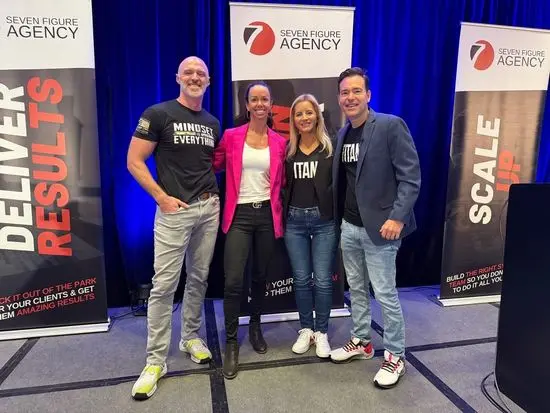
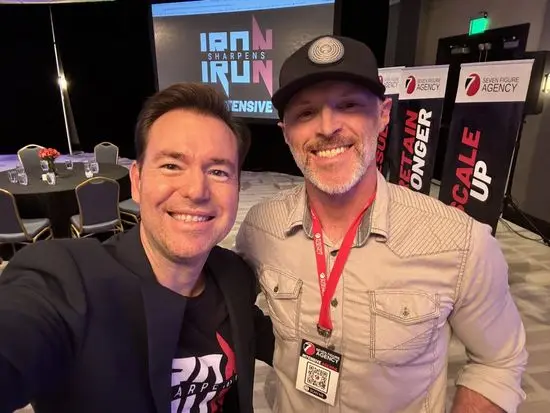
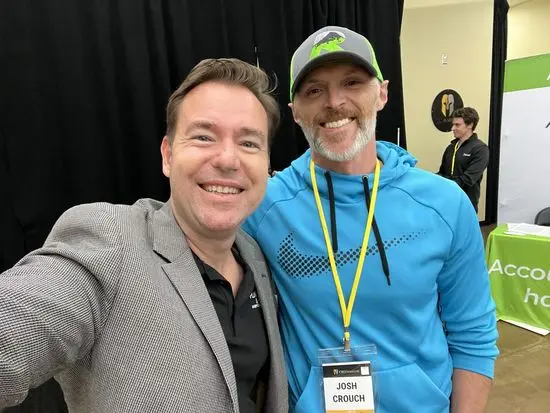
Josh in the Community

Editor’s Choice on TopMarketingAgencies.com
Relentless Digital is an Editor’s Choice pick in the Plumbing category on TopMarketingAgencies.com, the editorial directory of the best niche marketing agencies in the country. Listings are editorial, not pay to play. Agencies are scored on niche depth, tenure in the specialty, client retention, verifiable results, and transparency, then re-scored every year. You can read the full profile on the Relentless Digital listing or see how the category stacks up on the top plumbing marketing agencies page.
Want Results Like Josh’s?
Relentless Digital turned one narrow service and three years of free advice into a multi-million dollar agency, then broke through a plateau by adding what it was missing. The system he used is the one we teach.